

Microinteractions are subtle but powerful details that can significantly enhance the user experience. Discover how small design elements can make a big difference in usability and engagement.
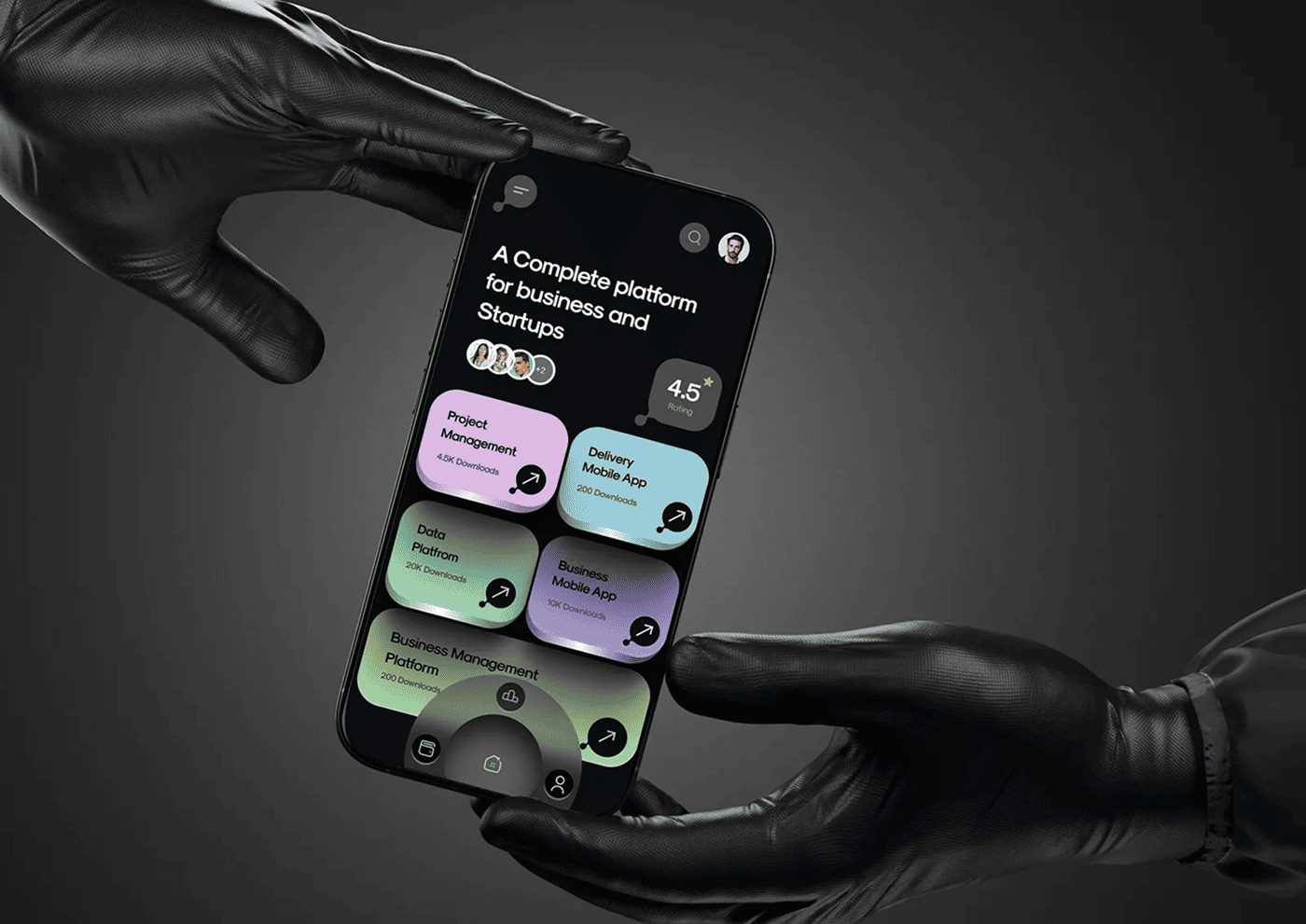
Microinteractions are the tiny details in user interfaces that often go unnoticed—but they play a crucial role in shaping the overall user experience. From a subtle vibration when tapping a button to a satisfying checkmark animation after completing a task, these small design elements can make a big impact.
What Are Microinteractions?
Microinteractions are short, contained product moments that serve a single purpose. They provide feedback, enhance usability, and make interfaces feel more human. Think of a toggle switch animation or a typing indicator in a chat window—these details help users understand system status and what’s happening in real time.
“The magic of microinteractions lies in their subtlety. They enhance the user experience by responding to user actions with elegance and clarity, creating a sense of responsiveness that makes digital products feel intuitive, alive, and satisfying—no tutorial required.”
Types of Microinteractions
There are various categories of microinteractions, each designed to serve different user needs. Feedback interactions confirm actions (e.g., liking a post), system status updates inform progress (e.g., loading spinners), and guided tasks help with onboarding or navigation. Each serves to improve clarity and confidence in using the interface.
Why They Matter
While microinteractions may seem minor, they are crucial for user satisfaction. They reduce uncertainty, prevent errors, and provide reassurance. For instance, a subtle animation when toggling a dark mode switch not only informs users the change was successful but also adds a delightful touch to the experience.
Designing with Intent
Effective microinteractions are designed with purpose. They are fast, context-aware, and consistent with the product’s tone. Designers should also ensure accessibility by avoiding disorienting motion and providing clear, non-visual cues where necessary.
Conclusion
Microinteractions may be small, but they carry immense weight in the user journey. They build trust, reinforce brand tone, and improve usability. By crafting intentional microinteractions, you’re not just polishing the interface—you’re enriching the user’s emotional connection to your product.
Pay attention to the details—they might just be what users remember most.

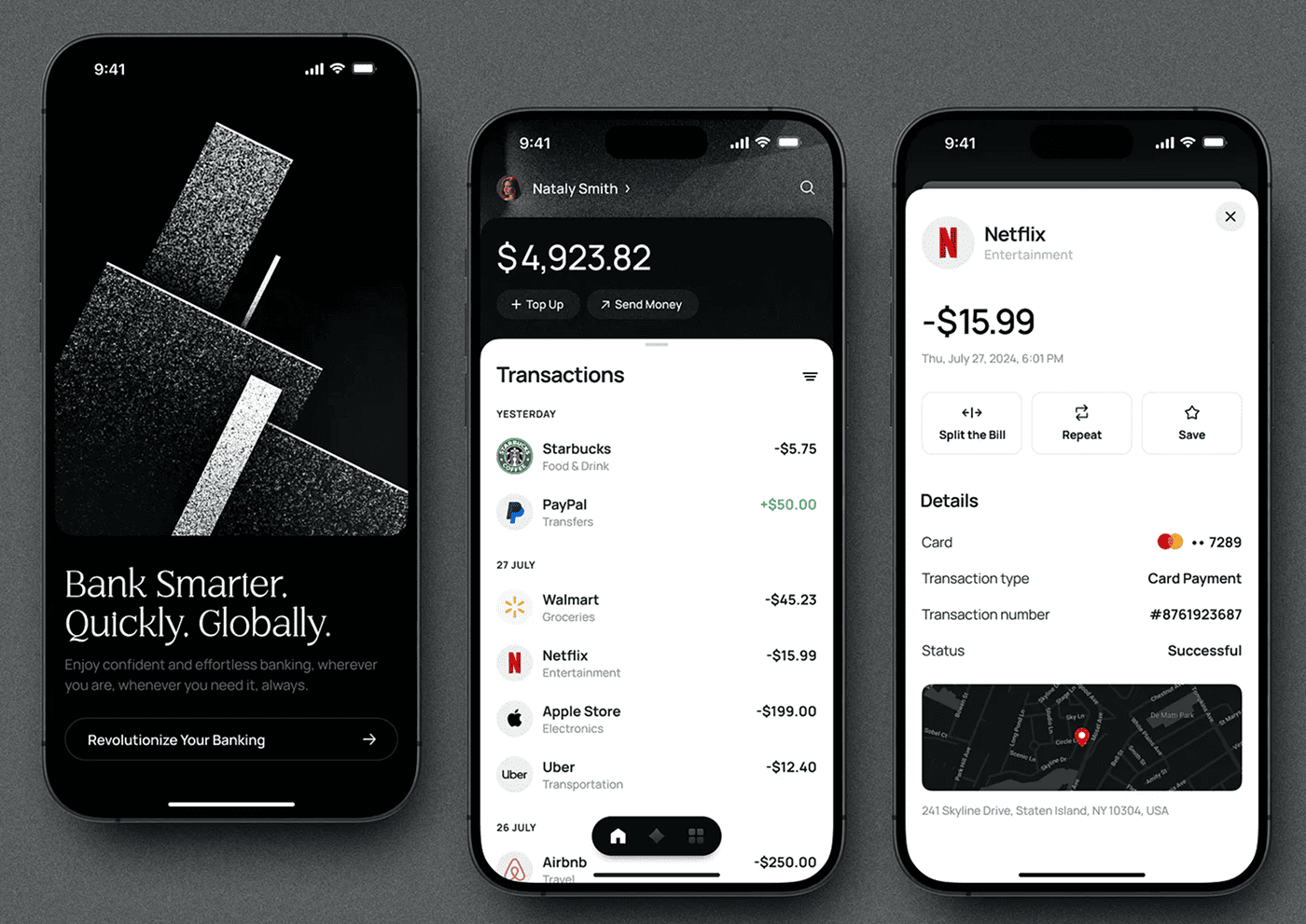
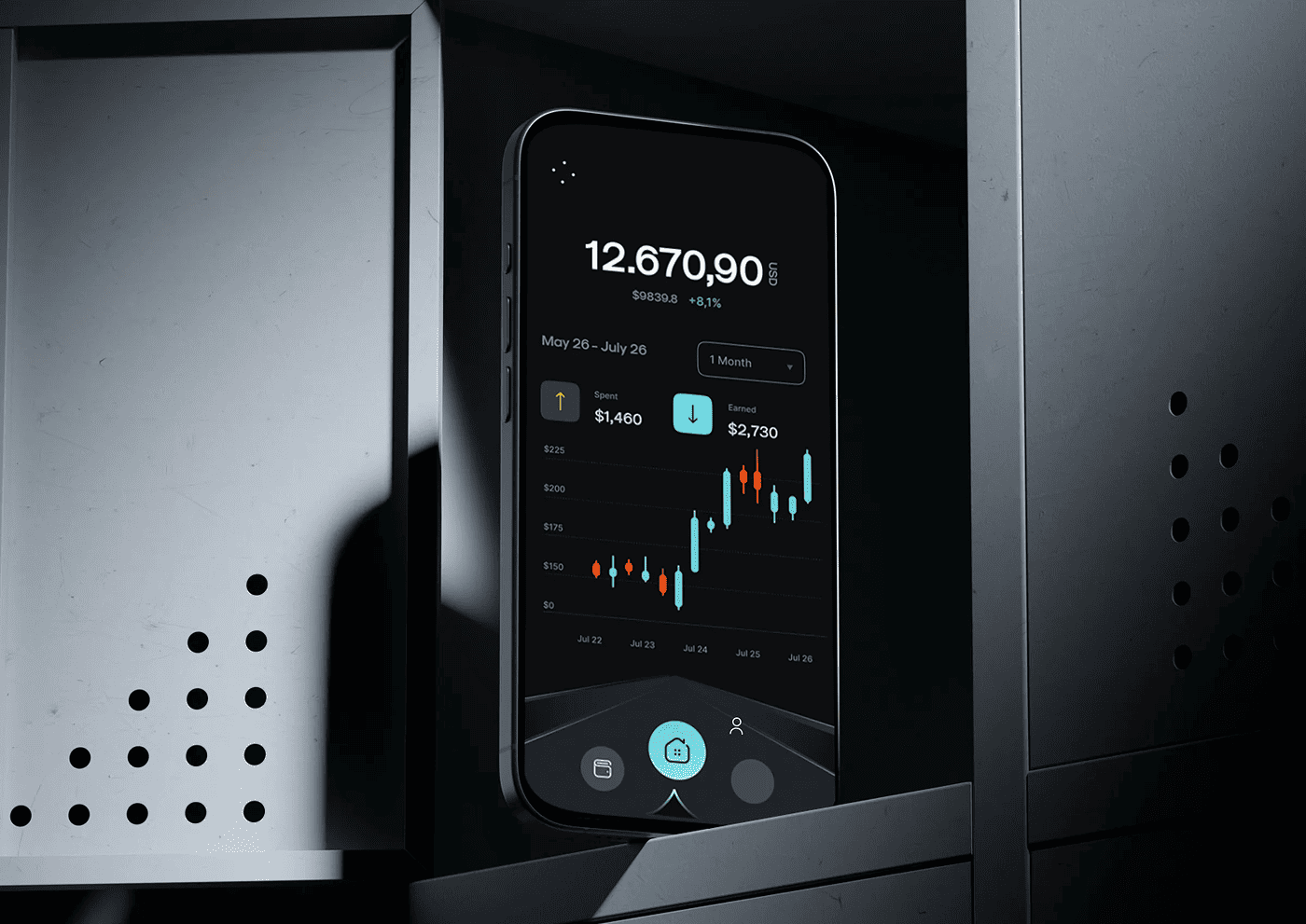


Really enjoyed this piece! It’s amazing how those tiny design touches—like button animations or subtle feedback—can significantly improve the overall user experience. Thanks for the insightful article!
This article highlights something we often overlook: the power of small interactions. Microinteractions may seem minor, but they play a huge role in making an interface feel responsive and human. Would love to see more real-world examples next time!