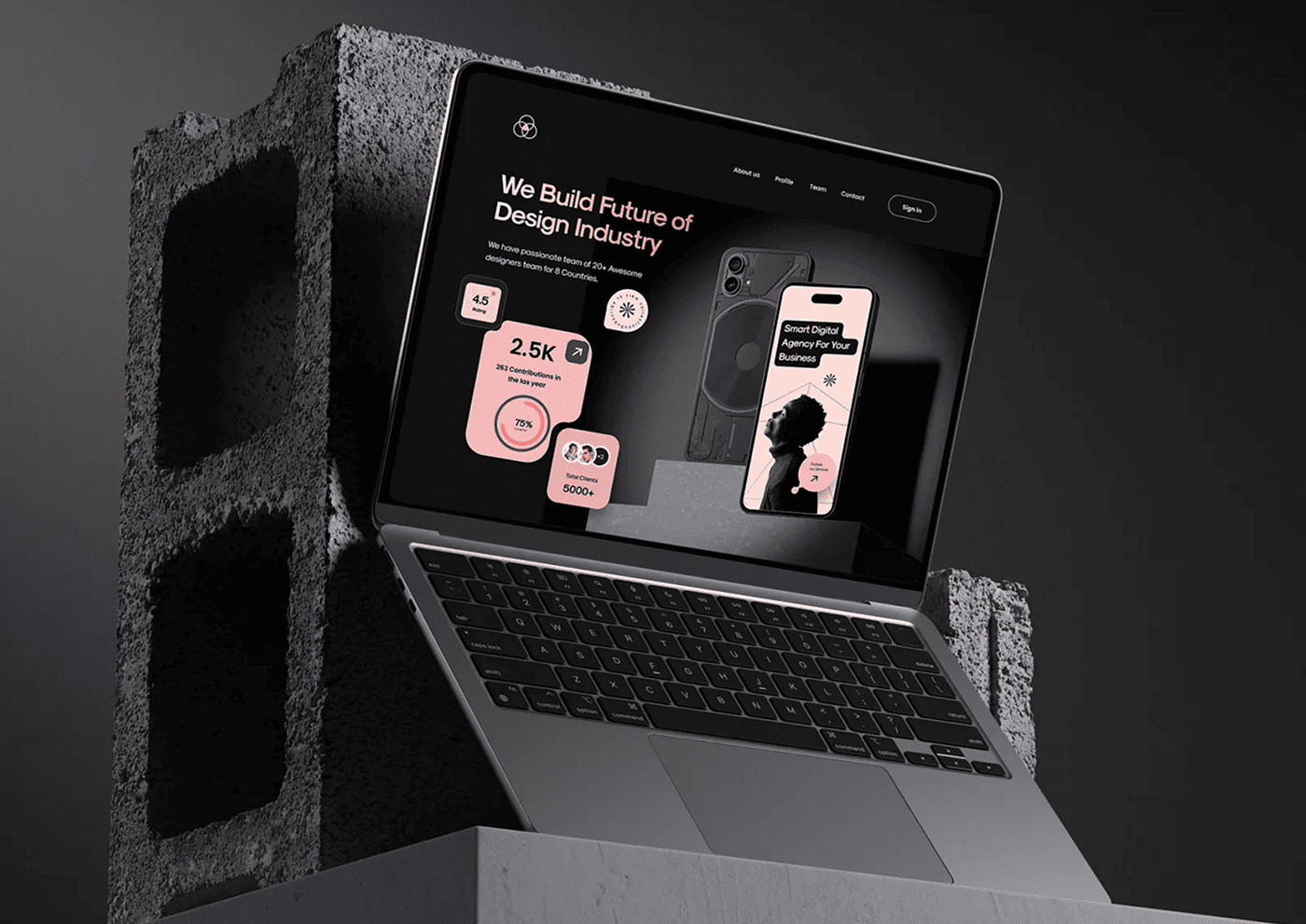
Presenting your design work effectively can be just as important as the design itself. Learn how to communicate your ideas confidently and professionally to leave a lasting impression.

Presenting your design work effectively is just as important as the work itself. Whether you’re showing designs to a client, stakeholder, or team, your ability to communicate your ideas with clarity and confidence can greatly influence how your work is received.
Start with the Problem
Every strong presentation begins with context. Clearly explain the problem you were trying to solve. This helps your audience understand the reasoning behind your decisions and appreciate your design beyond aesthetics.
Tell a Story
Design is about storytelling. Guide your audience through the user journey, from discovery and research to concepts and final execution. Make your presentation flow like a narrative—they’ll remember your message better if it feels like a story.
“Great design presentations don’t just show screens—they build understanding. By tying every design choice back to a real user need or business goal, you create a stronger case for your work and build trust in your process.”
Show Process, Not Just Results
Don’t skip the messy middle. Share sketches, wireframes, and iterations to show how you explored different directions and arrived at your final decision. It reveals depth in your thinking and demonstrates problem-solving skills.
Explain Your Choices
Use simple language to explain why you chose certain layouts, colors, or interactions. Avoid jargon and always connect your choices back to the user’s needs or business objectives. The “why” behind your work is often more compelling than the “what.”
Prepare for Feedback
Be open and proactive. Invite questions, clarify misunderstandings, and take notes without becoming defensive. If you’ve thought through your decisions, you’ll be able to explain and adjust your designs with confidence.
Conclusion
Professional design presentations go beyond showing beautiful visuals. They communicate thought, strategy, and empathy. By structuring your presentation around the user, your process, and your rationale, you show that you’re not just a designer—you’re a problem solver.
Confidence comes from preparation, so rehearse, refine, and be ready to share your work like a pro.