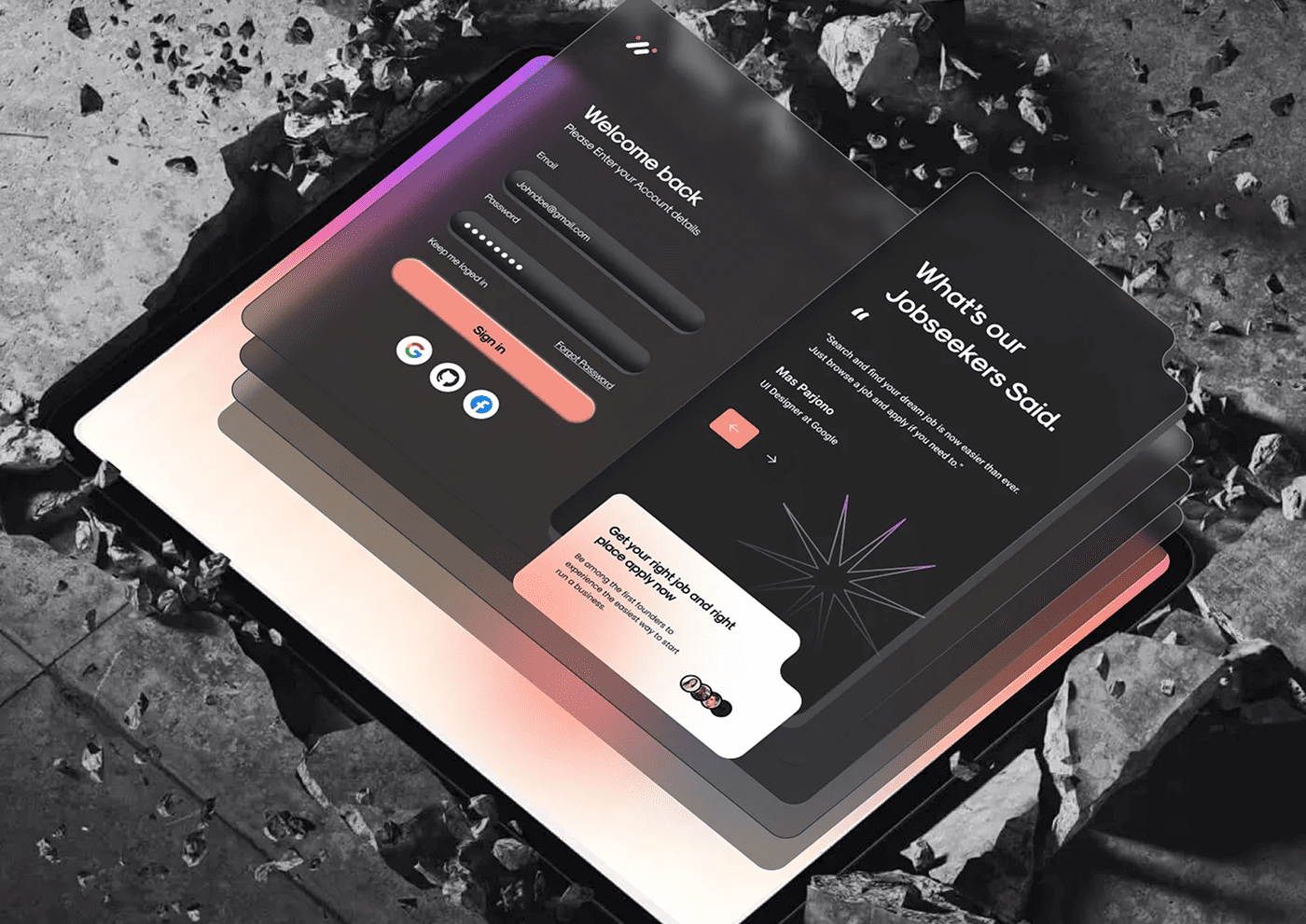
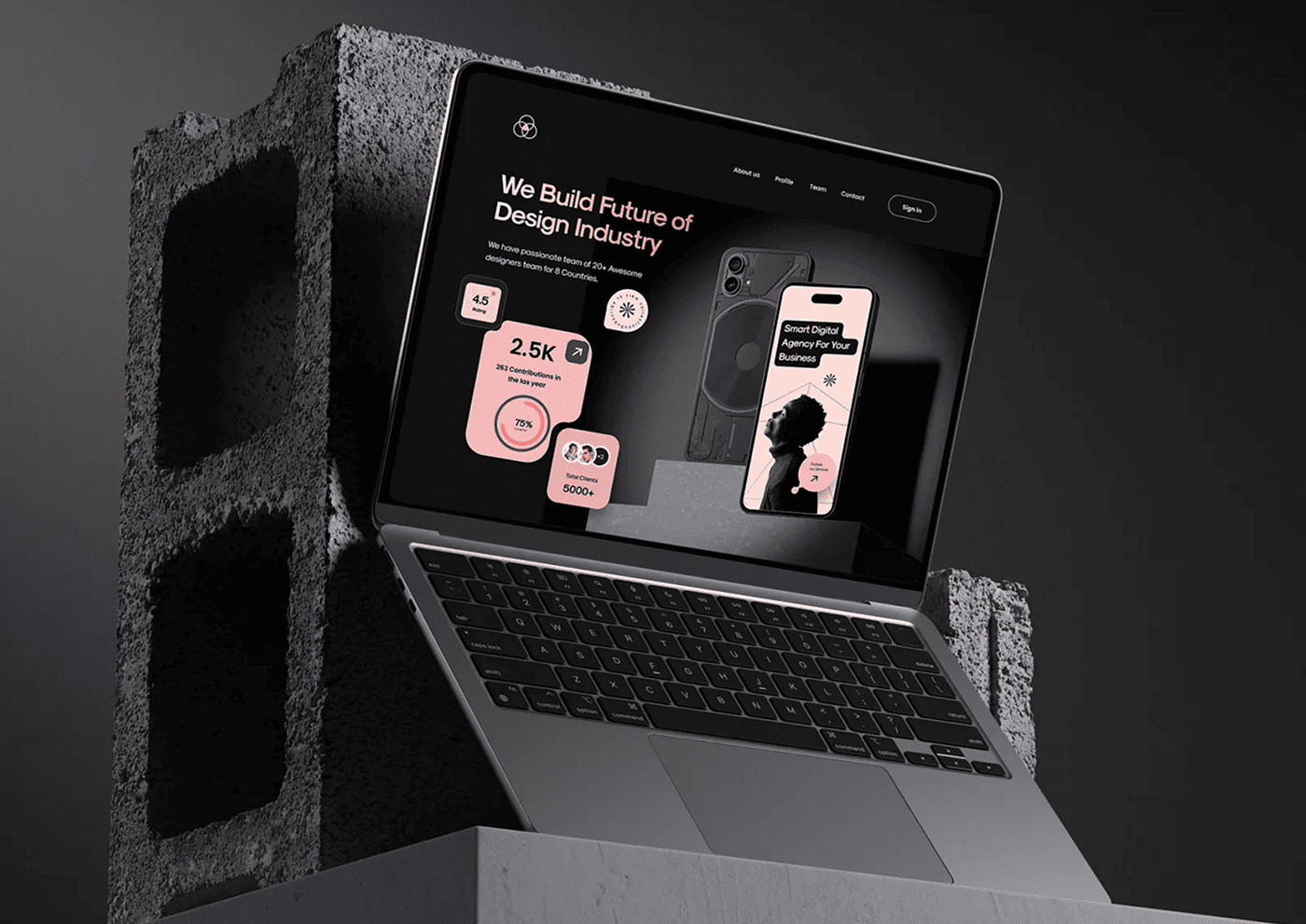
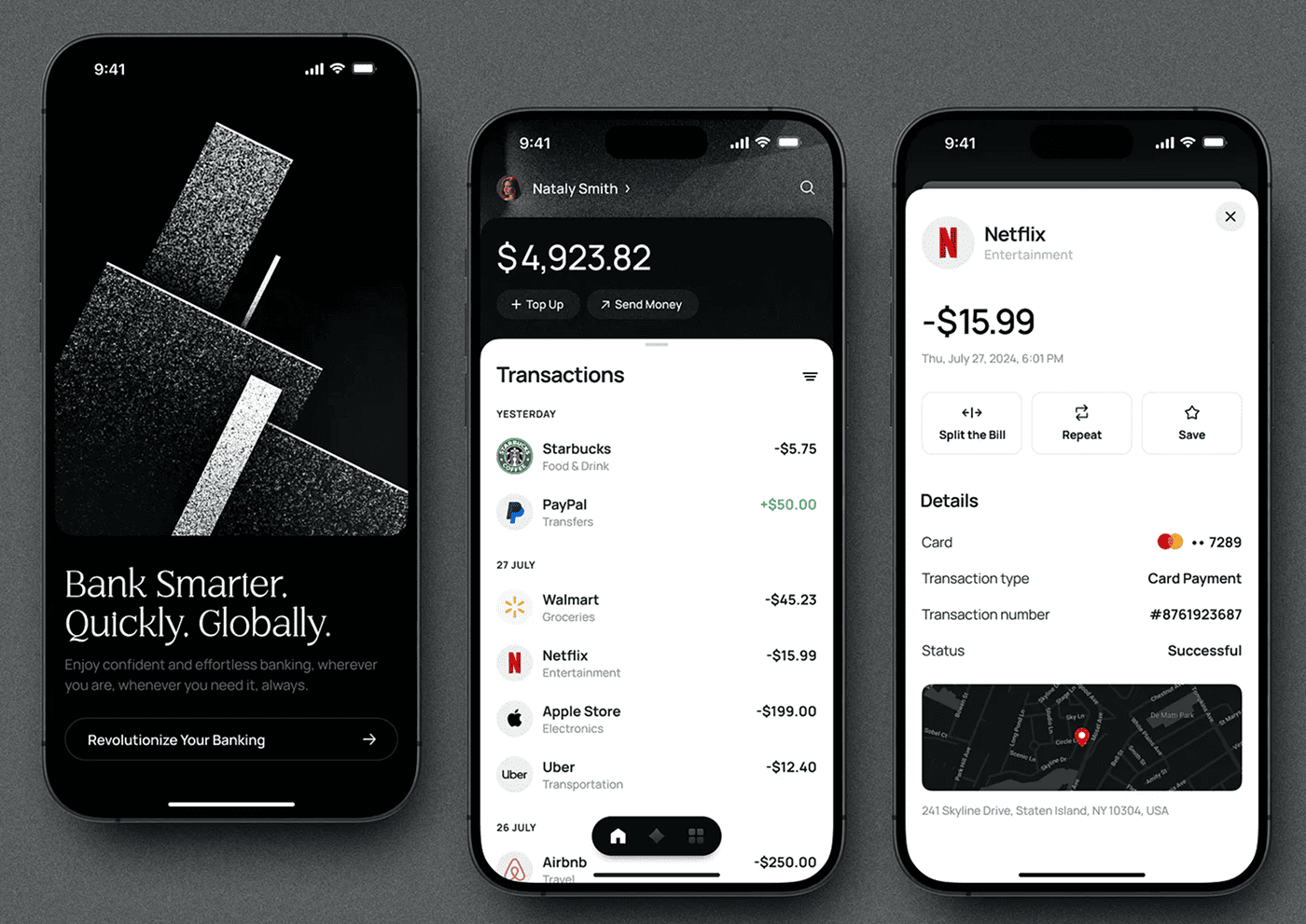
Consistency, efficiency, and scalability — that’s the power of a design system. Discover why design systems are a must-have for any serious project and how they help teams build better products, faster.
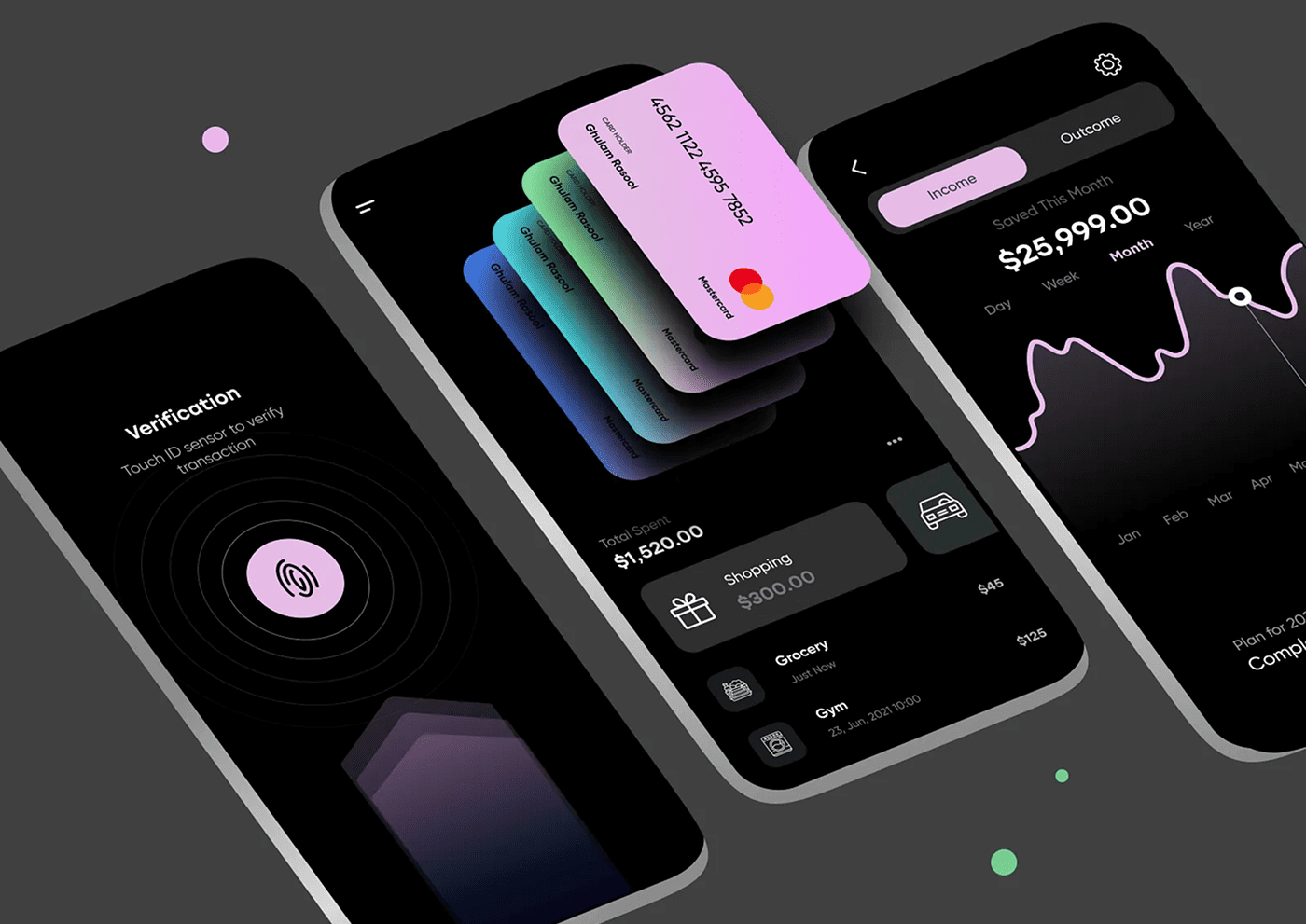
A design system is more than just a style guide — it’s a comprehensive set of standards, components, and documentation that enables teams to create consistent, efficient, and scalable user interfaces. Whether you’re working on a small project or a large application, having a design system can transform the way your team collaborates and delivers quality designs.
What is a Design System?
A design system includes reusable components, design tokens (like colors and typography), and clear guidelines on how to use them. It acts as a single source of truth, ensuring everyone on the team — designers, developers, and stakeholders — is aligned and working from the same foundation.
Benefits of Using a Design System
Consistency is one of the biggest advantages. By reusing components and adhering to established rules, your product looks cohesive across all screens and platforms. It also speeds up design and development, reducing duplicated work and allowing faster iterations.
“A well-crafted design system doesn’t just save time; it creates a shared language for your team, enabling better communication, fewer errors, and a stronger, more unified product experience that users can trust.”
Improving Collaboration and Efficiency
With a design system, designers and developers have a clear framework to work within. This reduces misunderstandings and helps onboard new team members quickly. It also makes maintenance easier, as updates to components automatically propagate across the entire product.
Scalability and Flexibility
As projects grow, design systems scale with them. You can expand your library of components or adjust guidelines without starting from scratch. This flexibility allows your product to evolve while maintaining visual and functional integrity.
Common Misconceptions
Some think design systems are only for large teams or complex products, but even small projects can benefit from basic systems. Others worry that systems stifle creativity — in reality, they provide a strong foundation on which creativity can flourish by freeing designers from repetitive tasks.
Conclusion
Every project can benefit from a design system, no matter its size or complexity. It promotes consistency, improves collaboration, and accelerates development, ultimately leading to better user experiences and more sustainable products. Investing time in building a design system pays off in the long run.