Animation is not just for decoration; it plays a crucial role in enhancing user experience and guiding interaction. Learn how animation can improve usability and make your web designs more engaging.
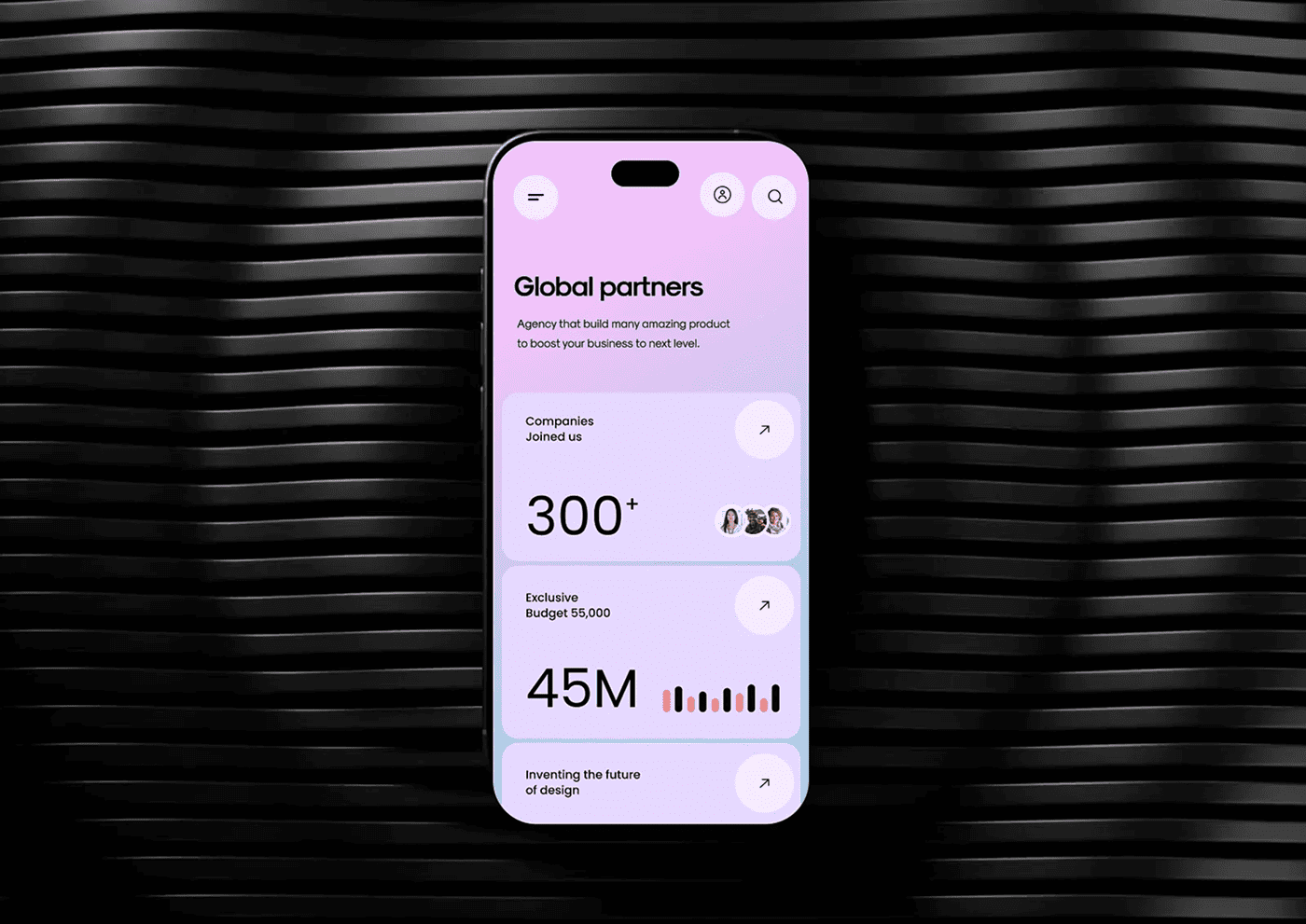
In today’s digital landscape, animation is no longer just an embellishment—it’s a core element of effective web design. Whether it’s a smooth transition, a hover effect, or a full-screen interaction, well-executed animation brings interfaces to life and creates more human-centered experiences.
Why Animation Matters
Used thoughtfully, animations can guide users through a site, communicate state changes, and add an extra layer of delight to the browsing experience. Instead of overwhelming the user, subtle motion can improve clarity, reduce cognitive load, and reinforce branding through movement.
“Animation in web design is not just about adding flair; it’s a way to communicate intention, build trust, and guide interaction. When done right, it helps users understand context, flow, and feedback—turning static screens into intuitive, emotionally resonant experiences.”
Improving User Feedback
One of the key strengths of animation lies in its ability to offer feedback. A shaking login field when the password is wrong, a progress bar indicating upload status, or a button ripple effect all inform the user in a way that static elements cannot. These microinteractions enhance usability and provide instant visual responses.
Strengthening Brand Identity
Animation can express brand personality. A playful bounce might work for a children’s brand, while a sleek fade might better suit a luxury retailer. The way motion is timed, eased, and triggered communicates just as much as color or typography. Consistent animation patterns create trust and make brands feel polished and reliable.
Balancing Purpose and Performance
But animation must be purposeful. Overuse can distract, slow performance, or even harm accessibility. Designers must consider motion preferences and ensure animations are optional for users who prefer reduced motion. Performance-optimized animations enhance experience without impacting loading speed or usability.
Conclusion
Animation is more than decoration—it’s a design language that communicates, supports usability, and brings digital products to life. By focusing on user needs, accessibility, and brand alignment, you can create animations that feel intentional and rewarding. The key is to animate with meaning, not just motion.
Looking to integrate animation into your next project? Let’s bring your interface to life in a way that informs, delights, and performs.