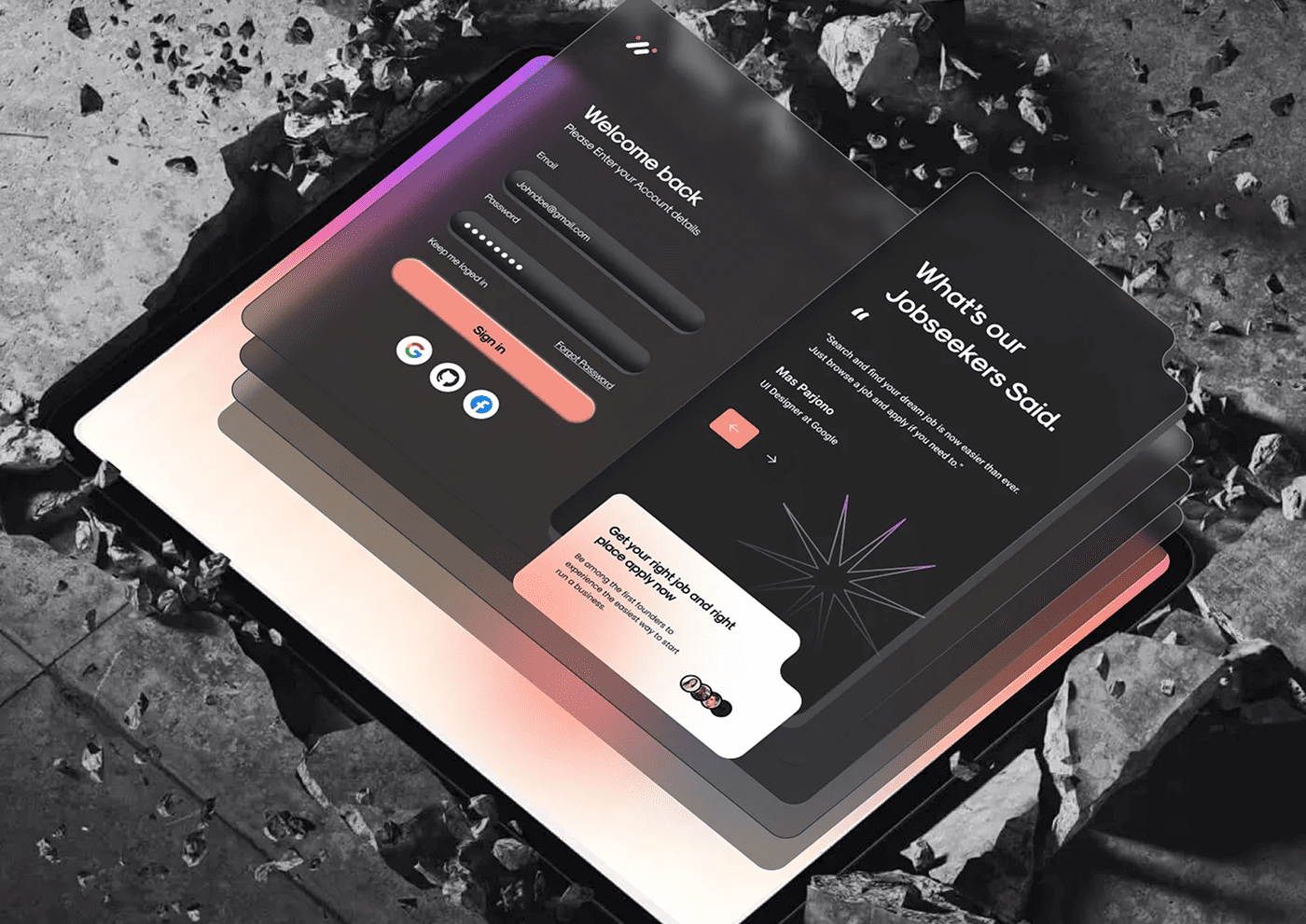
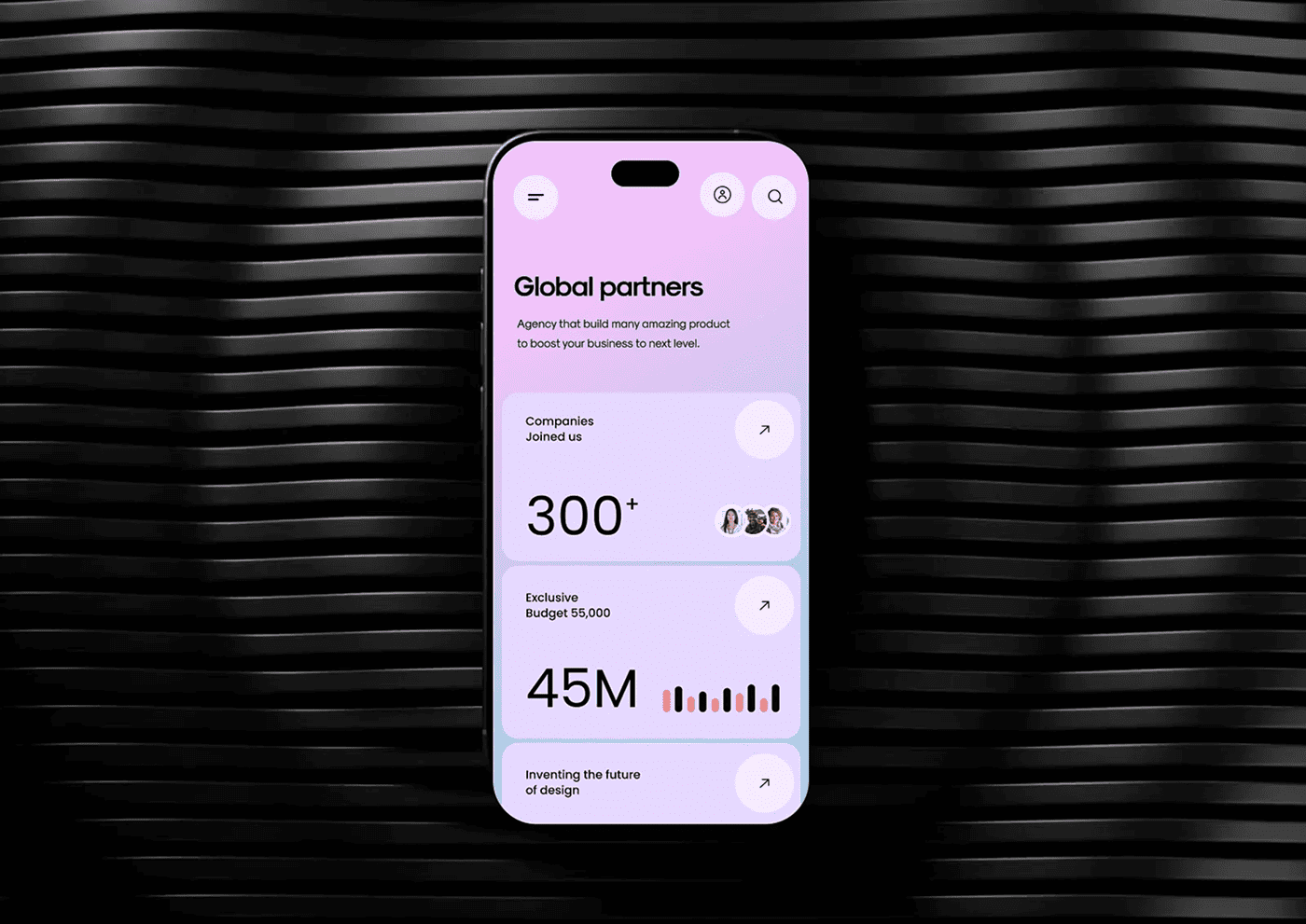
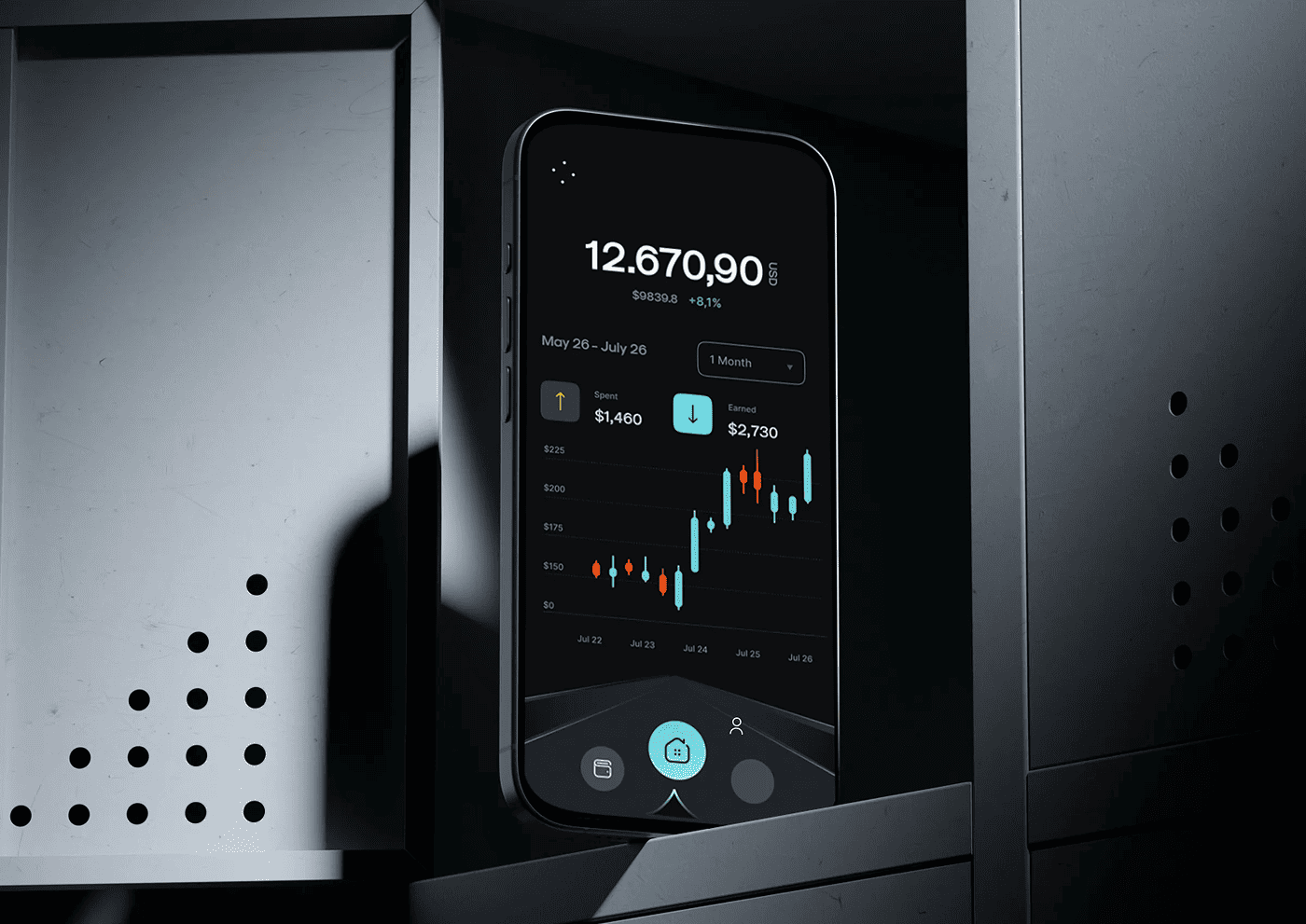
Take a behind-the-scenes look at my process of designing a fitness app from the ground up — from initial research and wireframes to polished UI and user testing.
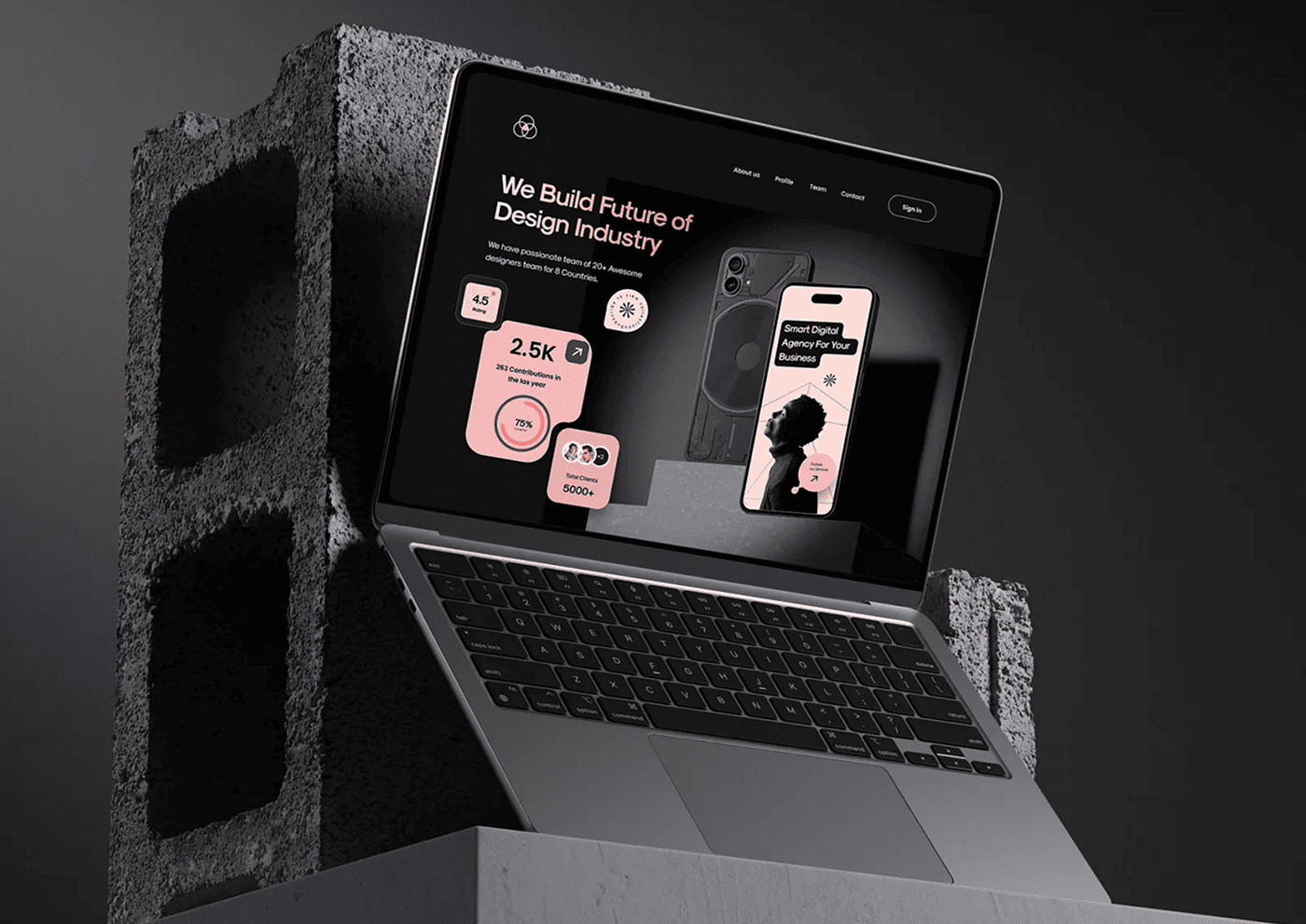
Designing a fitness app from the ground up is both a creative and strategic challenge. This case study walks through the process of building a fitness tracking app—from initial research to the final UI—highlighting key design decisions along the way.
Understanding User Needs
We began by conducting interviews with casual gym-goers, personal trainers, and people trying to build healthy habits. The goal was to identify pain points in current fitness apps—too complex, poor tracking, or lack of motivation.
Defining Core Features
Based on our research, we narrowed down the essential features: workout tracking, goal setting, habit reminders, and community support. The challenge was to balance functionality with ease of use, especially for beginners.
“Good design isn’t just about how things look—it’s about making life easier. A fitness app should feel like a personal coach in your pocket, guiding, motivating, and celebrating your every step without getting in the way. That’s the standard we aimed for.”
Creating the Wireframes
We sketched low-fidelity wireframes to test navigation and layout. The flow had to be seamless: open the app, log a workout, view progress, set goals—all in just a few taps. We ran quick usability tests to validate our choices early.
Designing the Interface
The visual design focused on motivation—bright colors, bold typography, and encouraging microcopy. We chose a clean and minimal style to avoid distraction, with emphasis on progress charts and personalized feedback.
Prototyping and Testing
We built an interactive prototype using Figma and tested it with real users. This revealed unexpected behaviors, like confusion around setting workout durations. Iterations were made to improve clarity and feedback.
Conclusion
Designing this fitness app taught us that user empathy, rapid iteration, and clear goals are essential. A great product meets users where they are and encourages growth without pressure. The result is a tool that empowers people to move more and feel better—every day.