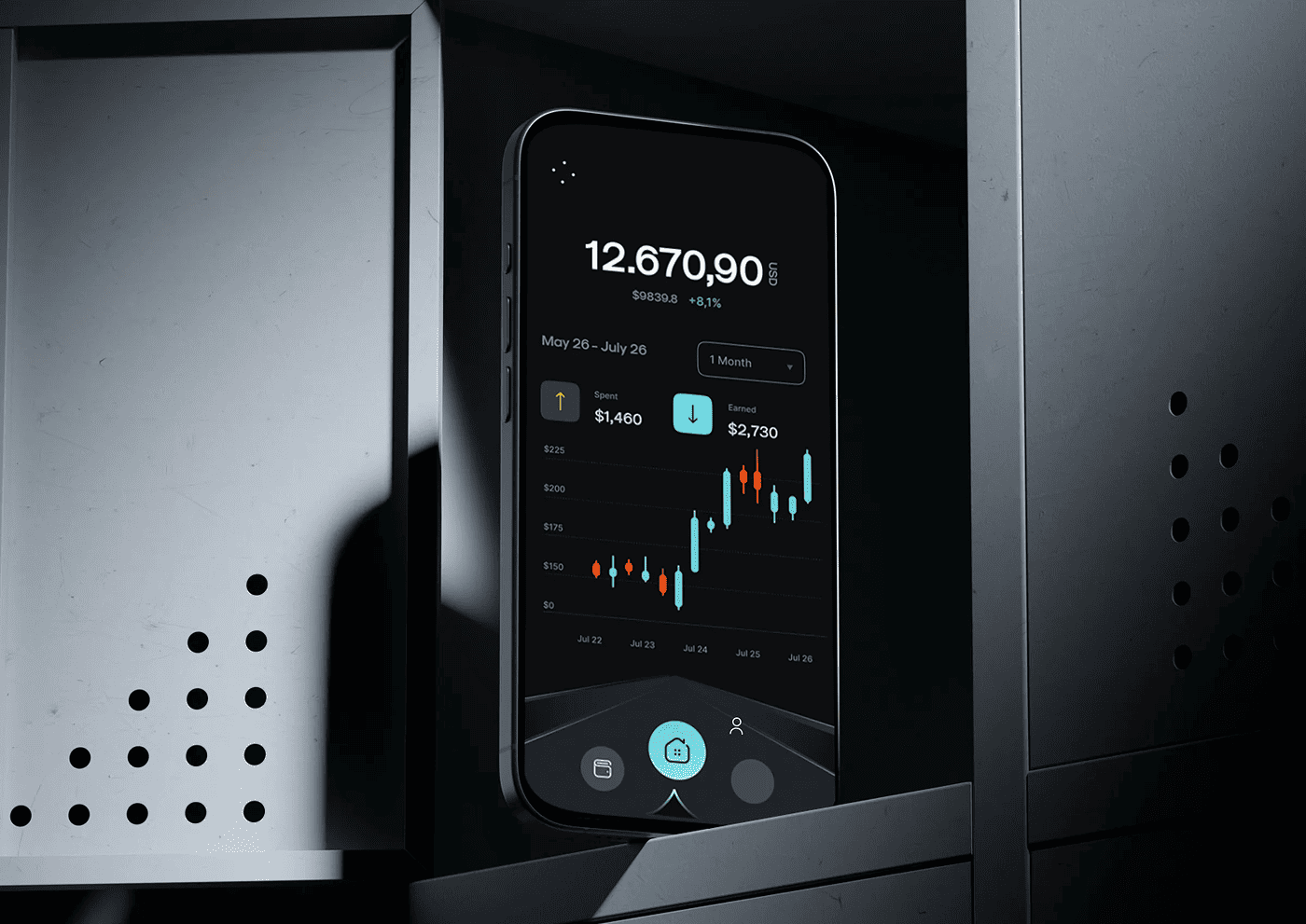
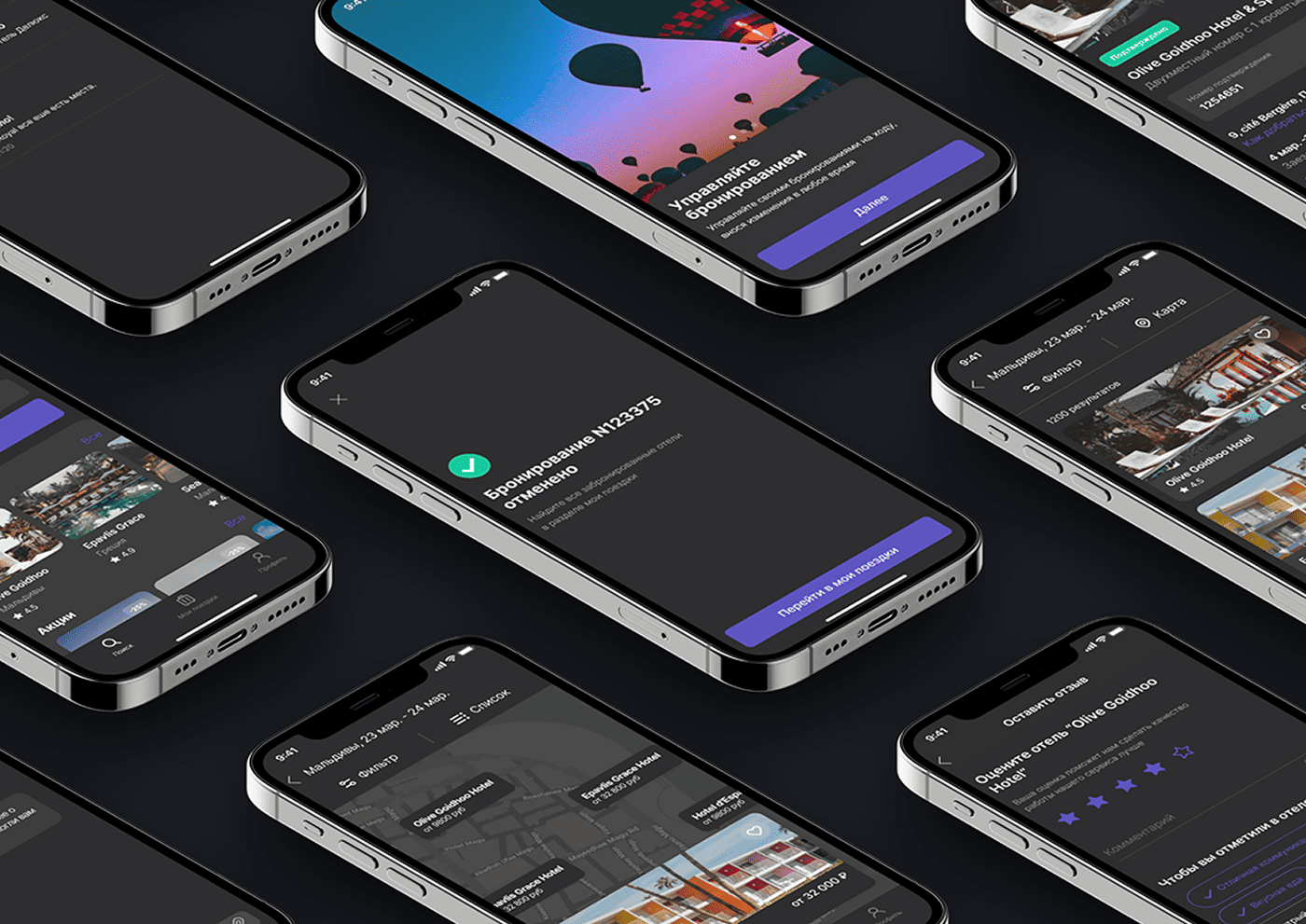
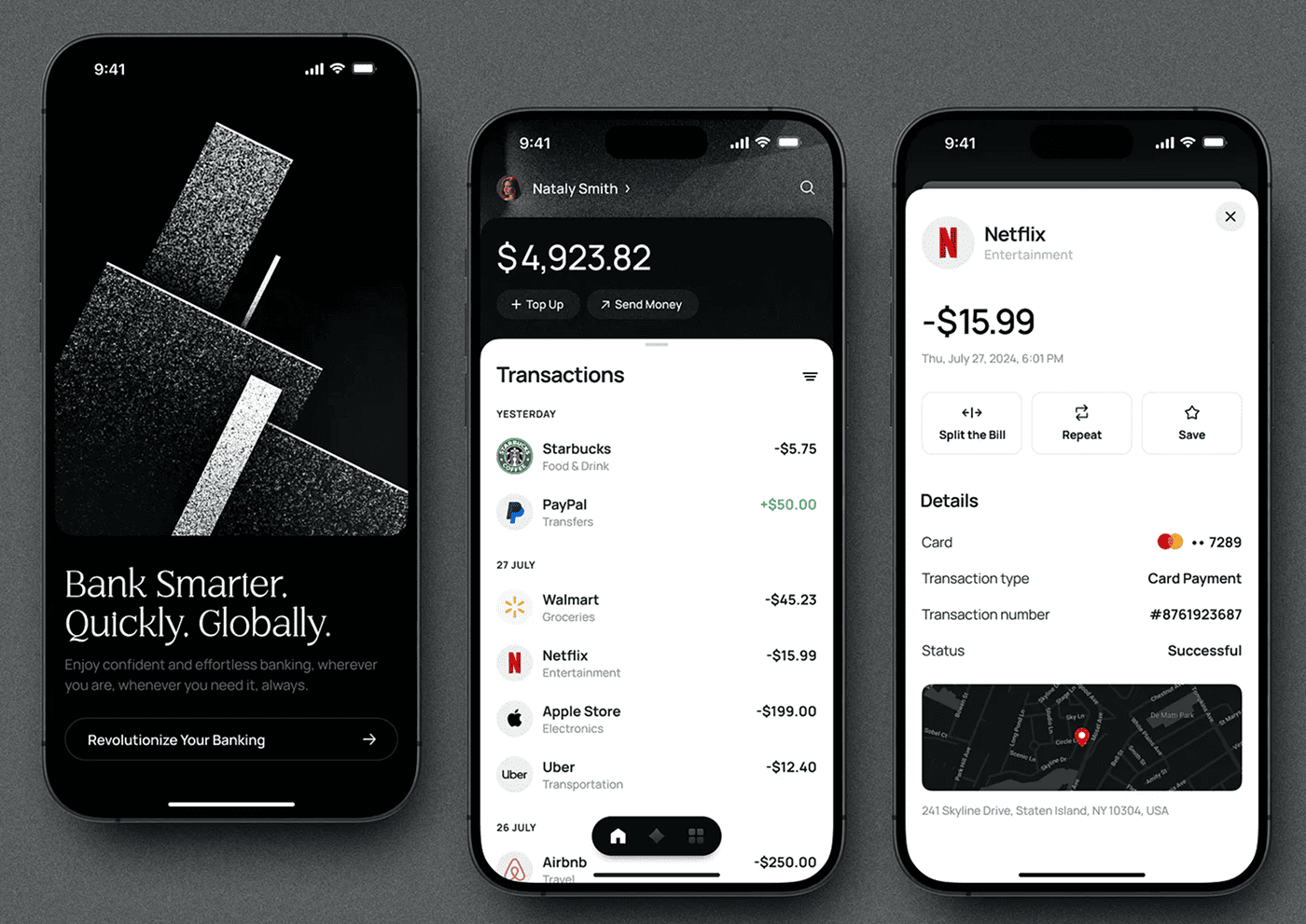
User flow is the backbone of a smooth and intuitive experience. Discover five actionable ways to enhance user flow in your next design project to boost usability and satisfaction.
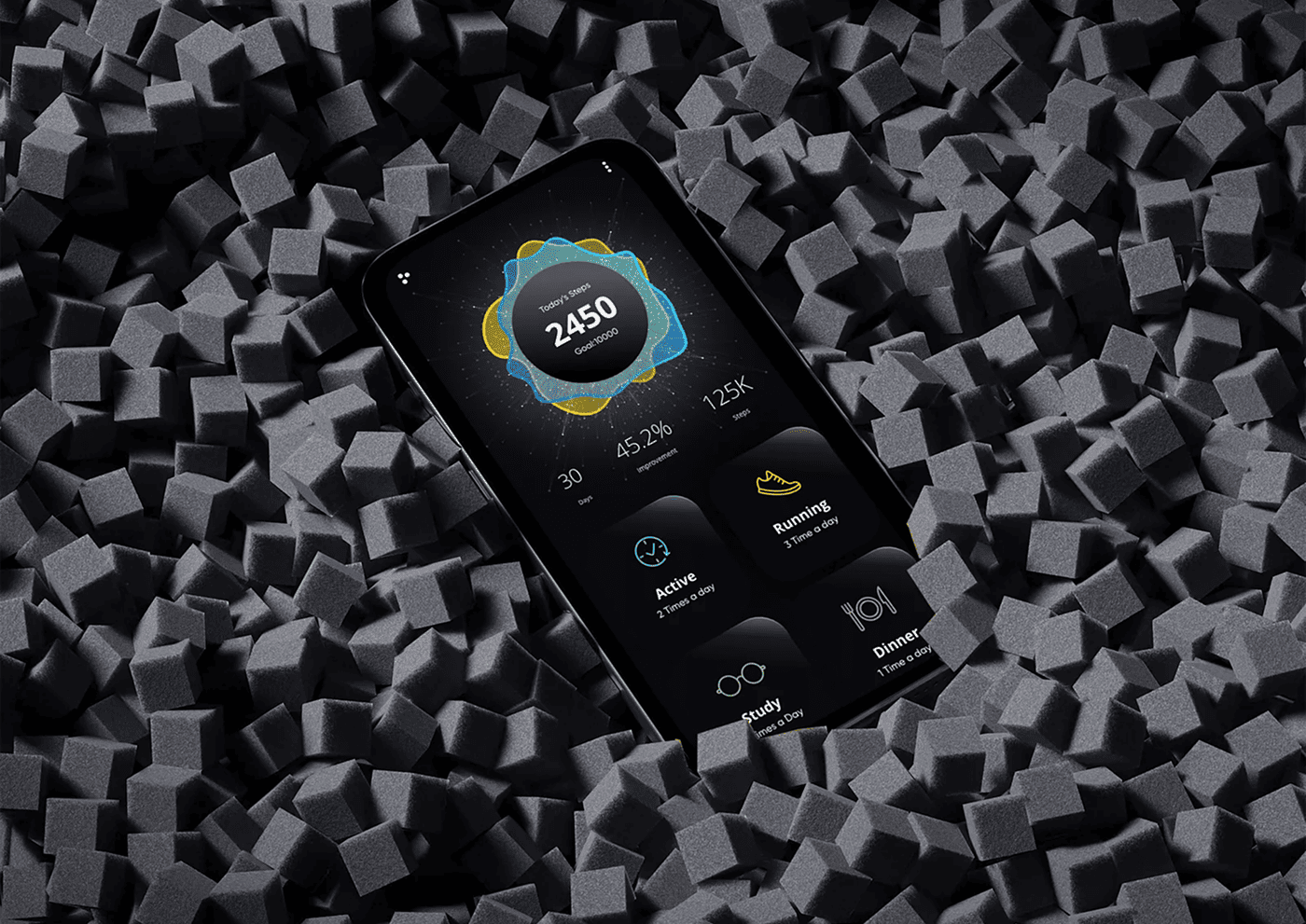
Creating a smooth user flow is key to a successful product experience. When users can easily navigate your app or website, they’re more likely to complete tasks, return, and recommend it to others. Here are five proven ways to enhance user flow in your next project.
Start with Clear Goals
Before designing any screens, clarify what the user should accomplish. Each flow should have a focused objective, whether it’s signing up, purchasing, or exploring content. Defining success upfront helps guide your layout and interaction choices.
Reduce Friction Points
Audit your experience for unnecessary steps, confusing language, or overloaded forms. A shorter, clearer path improves usability and retention. Consider breaking complex tasks into smaller, manageable parts to avoid overwhelming the user.
“When users don’t have to think about what to do next, they stay engaged. A well-designed flow reduces cognitive load, eliminates doubt, and makes digital experiences feel intuitive. That’s where true usability shines—in invisible design.”
Guide with Visual Hierarchy
Use spacing, typography, and color to direct attention. Clear hierarchy helps users understand what matters most on the screen and what action to take next. Consistent layout and design patterns also build familiarity, leading to faster interactions.
Use Smart Defaults
Pre-fill form fields, remember previous selections, and make educated assumptions about what users might want. These small decisions can significantly reduce effort and speed up the flow, especially on mobile where attention is limited.
Test and Iterate
User testing reveals where people get stuck or confused. Watch real users move through your product and refine the flow based on what you observe—not what you assume. Small tweaks can lead to big improvements.
Conclusion
Great user flow is invisible—it just works. By setting clear goals, removing friction, guiding users visually, using smart defaults, and continuously testing, you can design experiences that feel natural and satisfying. Investing in user flow leads to happier users and stronger results.